Learn · Strength
Keep the Muscle
Lift heavy, with intent, on a plan. The longevity move of the GLP-1 era.
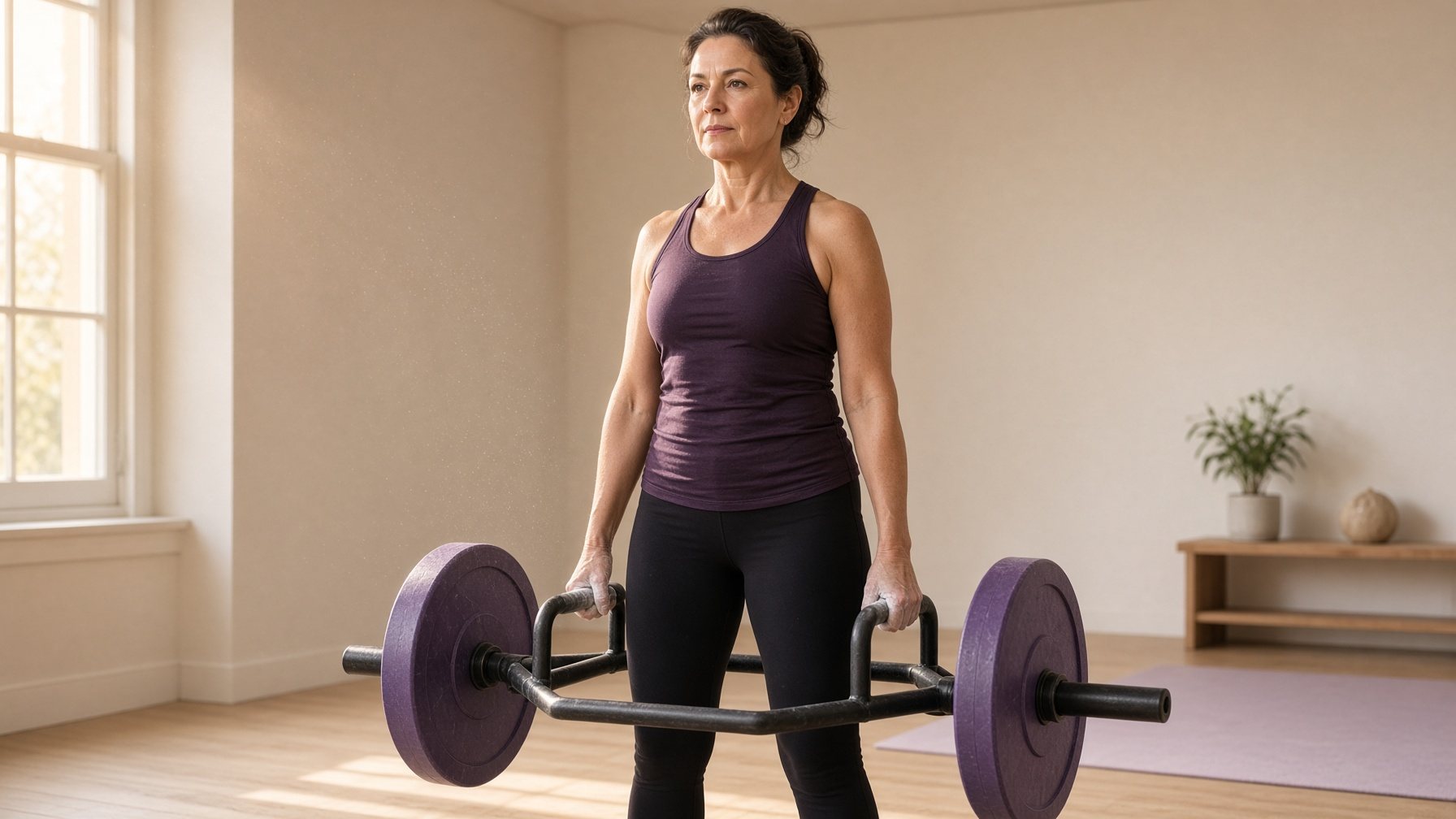
When the scale drops, not all of what leaves is fat. Some of it is muscle. That is true of almost any weight loss, and it is one of the most talked-about questions of the GLP-1 era. The good news is that the best answer is not a pill or a peptide. It is a barbell, a plan, and a real effort.
What the research says, honestly
In the body-composition studies inside the big GLP-1 trials, lean tissue made up a real share of the weight people lost, commonly somewhere between a quarter and a little under half, depending on the drug and the study. Lean tissue is more than muscle, so that number overstates muscle loss, but it is not nothing.
The picture is getting more nuanced. A 2026 study in Cell Reports Medicine found that weight loss on GLP-1 medicines did not cause disproportionate muscle loss in mice or people. Fat went down more than lean mass, and strength held up relatively well despite a modest drop in muscle size. So this is not a crisis. It is a reason to be deliberate.
Across reviews, one finding is consistent: resistance training during weight loss helps preserve lean mass without slowing fat loss. It is the most reliable tool anyone has.
Why this is the longevity move
Muscle is more than how you look in a shirt. It is how you get up off the floor at 80, carry groceries, catch yourself on a stair, and handle blood sugar. Exercise physiologist Andy Galpin, a frequent guest on the Huberman Lab podcast, has made the case many times that strength training is the most powerful tool we have against age-related decline in the muscles and the nerves that drive them. Strength and power fade faster than size as we age, so training for them matters most.
Andrew Huberman and Tim Ferriss touched the same theme this summer, when they discussed GLP-1s on The Tim Ferriss Show and noted that fast weight loss can include muscle loss. The thread through all of it is simple: if you are losing weight, give your body a reason to keep its muscle.
The 3-to-5 approach
Galpin often teaches a simple, well-tested template for strength. He is clear he did not invent it. He just likes it because it is easy to remember:
- 3 to 5 days a week.
- 3 to 5 exercises, big movements like a squat, a hinge, a press, a pull, and a carry.
- 3 to 5 reps per set. Heavy.
- 3 to 5 sets per exercise.
- 3 to 5 minutes of rest between sets, so every set is a real effort.
The low end, three days, three exercises, three sets of three, is a short, very doable week. The high end is a lot of work. Most people land in the middle. From there, add load slowly. Galpin's rule of thumb is roughly a 3 to 5 percent increase per week, which on a light lift may mean smaller jumps than the five-pound plates.
Maximum effort means maximum intent
"Max effort" does not mean a one-rep max every session, and it does not mean grinding to failure. It means every rep is lifted with full intent: brace, set up, and move the weight as well and as fast as you can control. Galpin's point is blunt. You do not get stronger or more powerful by moving kind of hard. Heavy load, few reps, full intent, plenty of rest. That is the signal muscle listens to.
If you are new, or coming back after years, start lighter than your ego wants, learn the movements from a qualified coach, and build to heavy over weeks, not days.
Periodization, made simple
Periodization just means planning your training in blocks instead of doing the same thing forever. A simple version for a weight-loss journey:
- Weeks 1 to 4: build. Moderate weights, 6 to 10 reps, learn the movements, build the habit.
- Weeks 5 to 8: strength. Switch to 3-to-5. Heavier, fewer reps, longer rest, full intent.
- Week 9: lighter. Cut the volume roughly in half. Let your body catch up.
- Repeat, starting the next block a little heavier than the last.
Blocks keep training from going stale, make progress visible, and build in recovery, which matters more when you are eating less.
Eat for the muscle you want to keep
Appetite drops on a GLP-1, and protein is often the first thing to go. Dr. Rhonda Patrick of FoundMyFitness has made the case that the official daily allowance, 0.8 grams per kilogram, is a floor rather than a target, and that needs rise with age, with training, and when you are losing fat and trying to keep muscle. She has discussed GLP-1 users directly for exactly that reason. Dr. Stacy Sims puts a working number on it for active women: roughly 30 grams of protein at each meal.
Anchor each meal with a protein source and spread it across the day. Your exact number depends on your size, your training, and your health, so settle it with your clinician or a registered dietitian. If you take GLP-1 medication, that conversation is worth having early.
Women in or near menopause have extra reasons to lift heavy and eat the protein. We cover that in Women, Muscle, and the GLP-1 Era.
Sleep is part of the program
Muscle is built in recovery, and most recovery happens at night. Hard training plus short, rough sleep is a losing trade. It is one more reason to pay attention to your nights, not just your days. See What the Night Knows.
Track the right things
The scale alone cannot tell fat from muscle. Pair it with a few signals you can trust over time: the weights you lift each week, your waist, how you feel, and your face, captured the same way every week. VisageAir™ gives you that last one, you versus you. Put it next to a training log and you have a real picture of a journey, not just a number.
Check first
If you are new to lifting, managing a health condition, or taking any medication, talk with your clinician before starting a heavy strength program.
Frequently asked questions
Do GLP-1 medications cause muscle loss?
Weight loss on GLP-1 medications can include some lean mass, as most weight loss does. In trial body-composition substudies, lean tissue made up roughly a quarter to a little under half of weight lost. A 2026 study in Cell Reports Medicine found the loss was not disproportionate and that strength was relatively preserved.
How do I keep muscle while on a GLP-1?
Lift heavy, two to five days a week, with full intent on every rep, progress the load slowly, and eat enough protein spread across meals. Reviews consistently find resistance training helps preserve lean mass during weight loss.
What is Andy Galpin's 3-to-5 method?
It is a simple strength template: 3 to 5 days a week, 3 to 5 exercises, 3 to 5 reps per set, 3 to 5 sets, and 3 to 5 minutes of rest, with every rep lifted with high intent and load increased about 3 to 5 percent per week.
What is periodization?
Periodization is planning training in blocks, for example four weeks of building, four weeks of heavy strength work, and a lighter recovery week, then repeating a little heavier. It keeps progress steady and builds in recovery.
How much protein do I need on a GLP-1?
The official RDA of 0.8 grams per kilogram is a minimum. Researchers such as Rhonda Patrick argue needs are higher with age, training, and fat loss, and Stacy Sims suggests about 30 grams per meal for active women. Confirm your number with a clinician or registered dietitian.
- Weight loss with GLP-1 medicines does not result in a disproportionate loss of muscle mass or function in obese mice and humans. Cell Reports Medicine, 2026. PubMed Central.
- Lean Mass and Musculoskeletal Preservation in GLP-1-Based Obesity Treatment: Nutrition, Exercise, Supplementation, and Monitoring Strategies. MDPI.
- Dr. Andy Galpin: Optimal Protocols to Build Strength and Grow Muscles. Huberman Lab.
- #369: Rethinking protein needs for performance, muscle preservation, and longevity, with Rhonda Patrick, Ph.D. The Peter Attia Drive, October 2025.
- Dr. Stacy Sims, Harness the Perimenopause "Power Window." drstacysims.com.
- #876: Dr. Andrew Huberman, Peptides, Performance, and Protocols. The Tim Ferriss Show, July 22, 2026.
This article is general wellness and lifestyle education, not medical advice. VisageAir is not a medical device. For questions about a medication, your weight, your sleep, or any health condition, talk with your clinician or prescriber.
VisageAir provides general wellness and longevity information only. It is not a medical device, and it is not intended to diagnose, treat, cure, or prevent any disease.